Perché al mondo vi sono varie categorie di scienziati, gente di secondo e terzo rango, che fa del suo meglio ma non va lontano; c’è anche gente di primo rango, che arriva a scoperte di grande importanza, fondamentali per lo sviluppo della scienza. Ma poi ci sono i geni, come Galileo e Newton. Ebbene Ettore era uno di quelli. (Commento di Enrico Fermi alla notizia della scomparsa di Majorana)
Qualche tempo fa ho rivisto il film su Raiplay in due parti diretto da Gianni Amelio, I ragazzi di via Panisperna. Si tratta di un’opera trasmessa dalla Rai alla fine degli anni Ottanta, molto bella e ben realizzata, che racconta le vicende che portarono alla formazione, negli anni Venti e Trenta, del celebre gruppo di Enrico Fermi presso l’Istituto di Fisica di via Panisperna, all’Università di Roma. Il film si concentra in particolare sulle figure di Ettore Majorana (interpretato da Andrea Prodan) e di Enrico Fermi (Ennio Fantastichini).
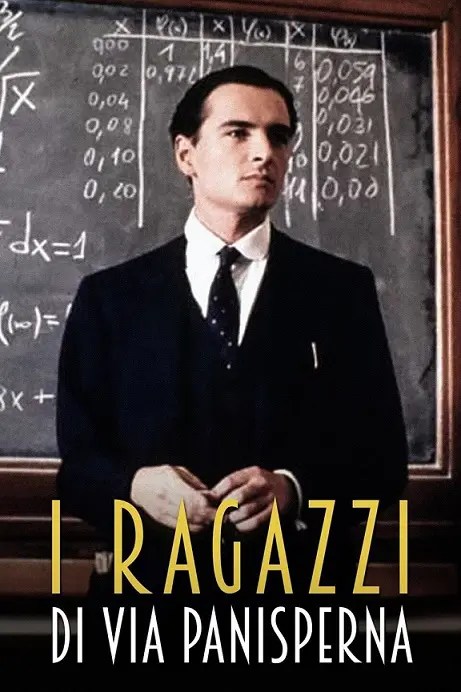
L’incontro tra i due è raccontato attraverso una scena memorabile, in cui Majorana è mostrato alla lavagna mentre lavora alla soluzione di un’equazione differenziale (quella che diventerà nota come equazione di Thomas-Fermi), assegnata da Fermi come prova d’ammissione al suo gruppo. Majorana viene osservato nell’aula dallo stesso Fermi, che, fingendosi uno studente del gruppo, gli rivela di essere alle prese con quella stessa equazione da una settimana, insieme ad altri due colleghi. Nella scena successiva, Amelio mette magistralmente in luce la brillantezza di Majorana, che svela a Fermi di aver risolto il problema in una sola notte. La recente raccolta e pubblicazione dei suoi scritti inediti (i Quadernetti, una serie di appunti curati risalenti al periodo dei suoi studi di fisica) a cura del Prof. Salvatore Esposito (Università di Napoli) ha rivelato ulteriori dettagli su questo episodio. Si tratta, in effetti, di una vera e propria competizione matematica tra due geni, nella quale Majorana dimostrò una superiorità più volte riconosciuta dallo stesso Fermi.
La visione del film mi ha spinto ad approfondire lo studio della soluzione numerica di questa equazione. In questo articolo, vorrei condividere alcune riflessioni su questa equazione e sul problema che Fermi ha posto alla brillante Majorana.
Continue reading





 daniloroccatano.blog